
Recognizing the Symptoms of Respiratory Infections: A complete guide
Respiratory infections are among the most common illnesses affecting people worldwide. From the common cold to more serious conditions like pneumonia or bronchitis, these infections can range in severity and impact. Understanding the symptoms early can help in timely diagnosis, treatment, and prevention of complications.
 |
| Photo by Anna Shvets |
What Are Respiratory Infections?
Respiratory infections affect the sinuses, throat, airways, or lungs. They are generally categorized into:
Upper respiratory tract infections (URTIs): Affect the nose, sinuses, and throat (e.g., common cold, sinusitis, pharyngitis).
Lower respiratory tract infections (LRTIs): Affect the airways and lungs (e.g., bronchitis, pneumonia).
Understanding the difference between upper vs lower respiratory infection types helps in identifying symptoms and appropriate treatment.
Common Symptoms of Respiratory Infections
While symptoms vary depending on the type and severity of the infection, here are the most frequently reported signs:
1. Cough
Dry or productive (with mucus)Persistent or worsening over time
Often worsens at night or early morning
2. Fever and Chills
Low-grade fever in mild infections
High fever in bacterial or severe viral infections3. Sore Throat
Scratchy or painful sensation
Difficulty swallowingOften accompanied by swollen tonsils or lymph nodes
4. Nasal Congestion and Runny Nose
Common in colds and sinus infections
May include postnasal drip5. Shortness of Breath
More common in lower respiratory infections
May indicate bronchitis, pneumonia, or asthma exacerbation6. Chest Pain or Tightness
Often due to persistent coughing
Can signal inflammation in the lungs (pleuritis)7. Fatigue and Weakness
General feeling of tiredness
May persist even after other symptoms resolve8. Headache and Body Aches
Common in viral infections like influenza
Often accompanied by fever9. Wheezing or Noisy Breathing
Indicates airway obstruction or inflammation
Common in bronchitis or asthma-related infections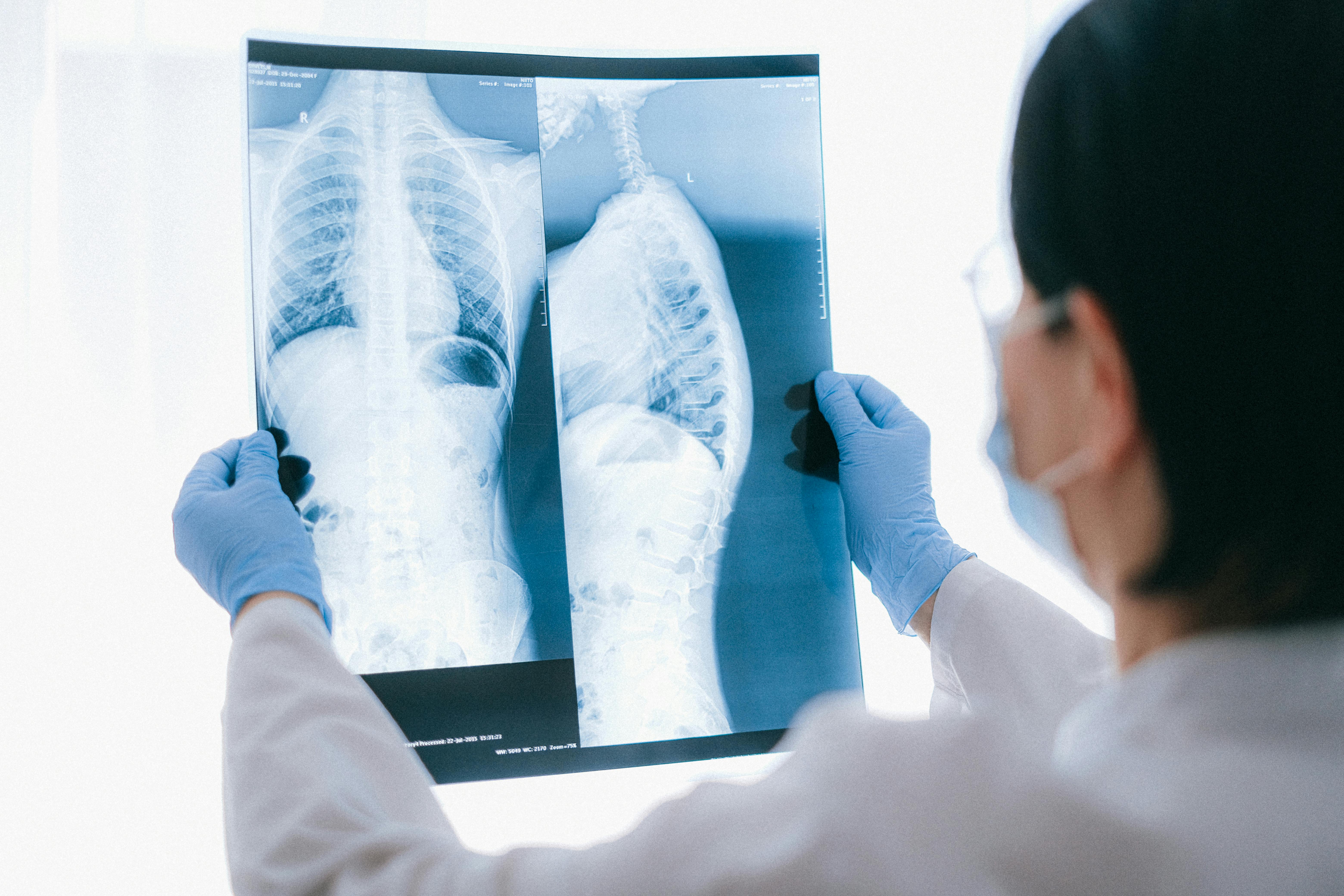 |
| Photo by Anna Shvets |
Signs of Pneumonia and Bronchitis
Recognizing the signs of pneumonia and bronchitis is important as they require different management:
Bronchitis: Infection of the bronchial tubes causing cough with mucus, wheezing, chest discomfort, and fatigue. Usually viral and self-limiting.
Pneumonia: Infection of the lung alveoli causing cough with phlegm or pus, high fever, chills, shortness of breath, chest pain, and fatigue. Can be viral or bacterial and may require antibiotics.How to Treat a Respiratory Infection
Treatment depends on the cause and severity:
Medical treatments:
Antibiotics for bacterial infectionsAntiviral medications for certain viral infections
Over-the-counter pain relievers and fever reducers
Cough suppressants and expectorants
Home remedies:
Warm fluids like tea with honey and lemon
Humidifiers or steam inhalation
Gargling with salt water
Avoiding irritants like smoke
Natural remedies for chest congestion:
Inhaling steam with eucalyptus oil
Using warm compresses on the chest
Postural drainage techniques
Viral vs Bacterial Respiratory Infection
Understanding the difference between viral vs bacterial respiratory infections helps guide treatment:
Viral infections: Usually self-limiting, treated with supportive care, no antibiotics needed.
Bacterial infections: May require antibiotics, often present with higher fever and more severe symptoms. |
| Photo by Edward Jenner |
When to Seek Medical Attention
Seek medical attention if you experience:
High fever (>102°F or 39°C)
Difficulty breathing or chest painCough lasting more than 10 days
Blood in mucus
Symptoms worsening after initial improvement
Prevention Tips
Wash hands frequently
Get vaccinated (e.g., flu, COVID-19, pneumococcal vaccines)Maintain good indoor air quality
Conclusion
Respiratory infections are common but can become serious if left untreated. Recognizing symptoms early and seeking appropriate care can make a significant difference. Whether you're a healthcare provider, caregiver, or concerned individual, staying informed is your first line of defense.